


RODENT SERVICE

RODENTS
Finding rodents in your home isn’t just unsettling — it can create serious trouble. Rats and mice frequently gnaw on electrical wires, raising the risk of fires. They can also contaminate food, damage pantry goods, and leave droppings and urine that may spread harmful bacteria and disease.
Bottom line: rodents aren’t just bothersome visitors — they’re destructive, elusive, and a threat to your health. Taking preventative steps now is essential to keeping them out.
Our pest specialists will:
Inspect to identify the source of the infestation and the rodent species
Suggest treatment plan options
Recommend sealing of any identified entry points
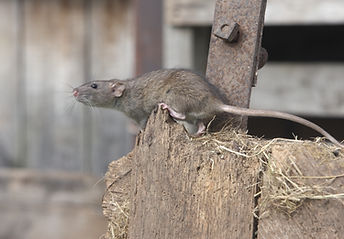
Identifying Signs of Norway Rats & House Mice
Discovering signs of a rodent infestation can be alarming. However, knowing what to look for can help you determine whether you're dealing with house mice or Norway rats. Here are some of the most common indicators:
Identify Droppings
Mice droppings tend to be tiny (about ¼ inch), black and numerous. Mice are not picky about where they lay their droppings. If you find waste matter around nesting sites, on shelving, floors or counters, it is a good indicator that you have a mouse infestation. Rat droppings are significantly larger with blunt, rounded tips.
If you’re looking for additional waste clues, mouse urine will show up under ultraviolet light.
Recognize Routes
Mice and rats tend to use the same routes and travel against walls when navigating; this leaves dirty grease smudges on walls, floors and baseboards. You may also notice urine spots on those same routes.
Sense a Scent
Open a cupboard and get a whiff of a distinctive smell? A strong ammonia odor (the scent of urine) may be obvious, especially in enclosed areas. Mice mark their territory and also mark their regularly used paths.
Locate Damage
Rodents have teeth that continuously grow and so they like to gnaw to keep their teeth shorter. Gnaw marks and holes can be found on plastic and wood and most dangerously, on electrical wires which can be a fire hazard.
Noticing Nests
Mice shred paper and other soft materials for nesting sites. Good hiding places for nests include: cabinets, in dishwashers, behind refrigerators, ceilings, wall voids and other storage areas. Usually young mice will be present within the nesting site.
Hearing Sounds
Noticing any scratching sounds? Listen for scurrying noises in walls and ceilings, especially at night when rodents are most active.
Lastly, you may spot dead mice around your home. If you’re seeing live mice during the daytime, this can be an indication of a large infestation.
.png)

%20north%20American%20native%20rodent%2C%20often%20called%20the%20Nor.jpg)

Preventative Tips to Keep Rodents Out
Seal Entry Points: Mice can fit through holes as small as a dime. Look over doors, windows, vents, and your home’s foundation for any gaps or cracks—and seal them thoroughly.
Store Food Properly: Use airtight containers for pantry goods and wipe up spills or crumbs immediately to avoid attracting rodents.
Inspect Attics and Crawl Spaces: These out-of-the-way areas make perfect nesting spots. Ensure they’re dry, well-sealed, and checked regularly.
Fix Moisture Issues: Rodents need water, too. Repair leaks, lower humidity in damp areas, and consider picking up pet water bowls overnight.
Maintain a Clean Yard: Brush, wood piles, and clutter can draw rodents in. Keep your landscaping neat and remove debris around the exterior of your home.
WHEN IT'S TIME TO CALL SAFEWAY
If you observe signs of rodent activity—such as droppings, gnaw marks, or nighttime scratching sounds—it may indicate a larger infestation. Our experienced team provides comprehensive pest control services, specializing in the treatment and prevention of mice, rats, and other household pests.
Don’t wait for the problem to escalate—contact Safeway today to inspect and protect your home.