


Why Do Mice Come Inside in the Winter?
When temperatures begin dropping in Wisconsin, mice may move into homes, garages, commercial buildings, and other structures where food and shelter are readily available. A house mouse can fit through an opening only about one-quarter inch wide, allowing it to take advantage of gaps that may seem insignificant to a property owner.
Winter mouse activity can become more noticeable because rodents may settle into areas that provide protection from harsh outdoor conditions. Our rodent services begin with a detailed inspection, followed by treatment recommendations based on the activity found at the property. We can also recommend steps that help limit future access.
Why Do Mice Enter Homes When It Gets Cold?
Cold weather increases the value of protected indoor spaces for mice. Homes can offer stable temperatures, nesting materials, food, and water, making garages, basements, attics, wall voids, cabinets, and storage areas attractive locations.
Mice are also capable climbers and can travel through surprisingly small openings. Gaps around foundations, doors, windows, vents, utility lines, and other exterior areas may provide an opportunity for rodents to move inside.

What Are the Signs of Mice During Winter?
You do not always need to see a mouse to know activity is present. Droppings are one of the most common signs. Mouse droppings are generally small and may appear on shelving, floors, countertops, or around areas where rodents are spending time.
Other indicators include gnaw marks on wood or plastic, damage to packaged food, scratching sounds in walls or ceilings, shredded nesting material, and greasy marks along frequently traveled paths. A noticeable ammonia-like odor may also occur in enclosed areas with ongoing activity.
Where Do Mice Hide Inside a Home?
Mice tend to choose protected areas close to food or nesting opportunities. Safeway commonly notes activity in cabinets, behind refrigerators, around dishwashers, ceilings, wall voids, and storage spaces.
Attics, crawlspaces, and basements can also provide favorable conditions, particularly when they contain clutter or undisturbed materials. Because much of this activity can occur out of sight, an inspection can help determine how widespread the problem has become.
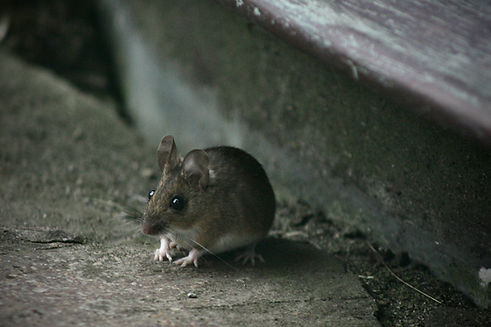

Does Seeing One Mouse Mean There Are More?
Seeing one mouse does not provide an exact count of how many rodents are present. However, mice reproduce quickly, and continued sightings, frequent droppings, gnawing, or nighttime noises can indicate ongoing activity that deserves attention.
Daytime sightings may be especially concerning because mice are generally more active at night. Rather than waiting for additional evidence to accumulate, professional inspection can help establish an appropriate treatment plan.
What Happens During a Winter Mouse Inspection?
Our pest specialists examine the property for signs of rodent activity and conditions that may allow mice to enter or remain indoors. Particular attention may be given to doors, windows, vents, foundations, utility openings, attics, crawlspaces, kitchens, storage areas, and garages.
A winter rodent service may include:
-
Inspection for droppings, gnawing, nesting material, and travel paths
-
Evaluation of common structural openings
-
Treatment recommendations based on current activity
-
Guidance for sealing accessible gaps
-
Recommendations for food storage and property maintenance
-
Follow-up service when appropriate

Why Use Safeway Pest Management for Winter Mouse Control?
We provide professional rodent inspection, treatment, and prevention recommendations based on the conditions found at each property. Our licensed pest specialists work with residential and commercial buildings and can recommend one-time or ongoing service depending on the level of activity.
Safeway Pest Management has served Wisconsin since 1956. We provide pest management throughout Southeastern and central Wisconsin with an emphasis on thorough inspections, practical treatment plans, and dependable service.
